Who Gets the Credit for a Toy Soldier? Inside Lisboa v. Knapp
Paulo Lisboa’s filed complaint challenges how collectible figures were presented and promoted. Paul Knapp asked the Virginia federal court to move and dismiss the case.
Editorial disclosure The person who commissioned this series also directs work on the Toy Soldier Central website. Paulo Lisboa, who does business as Toy Soldier Central, is a party to the four cases in this series.

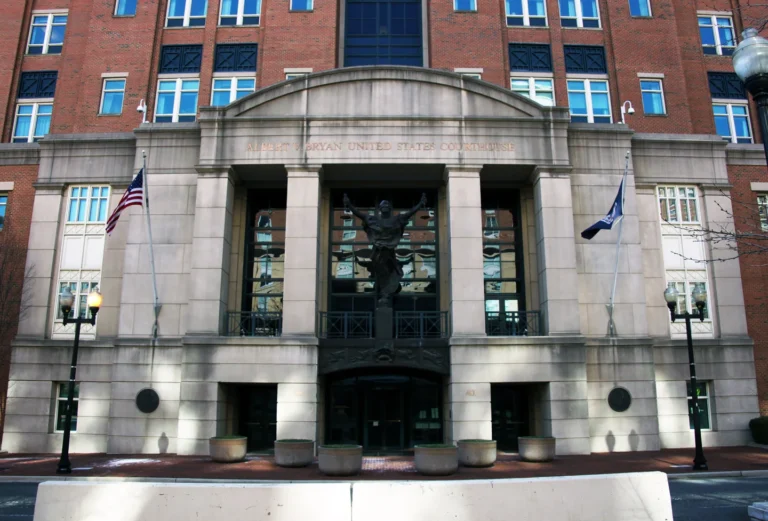
A collector buying a painted figure may care who designed it, who manufactured it and who is selling it. Those can be three different people. In a federal complaint filed August 14 in Alexandria, Virginia, Paulo C. Lisboa, who does business as Toy Soldier Central, alleges that Paul Knapp helped mislead buyers about the source or affiliation of collectible figures. Knapp has challenged both where the case was filed and whether the complaint states a claim.
Lisboa’s filed complaint points to the presentation of figures at a hobby show and to statements in online videos. He alleges that the disputed representations confused people about who produced the finished figures and harmed his business. The complaint invokes two parts of Section 43(a) of the Lanham Act. One addresses commercial representations likely to cause confusion about source, sponsorship or affiliation. The other addresses certain misrepresentations in commercial advertising or promotion. The suit also pleads Virginia-law claims, including defamation and interference with business relationships.
Knapp, through counsel, asked the court on September 8 to transfer the case from Alexandria to the Norfolk Division of the same federal district. His motion argues that Alexandria is the wrong division. His separate motion under Rule 12(b)(6) challenges the legal sufficiency of the complaint. Lisboa opposed both motions on September 24. Knapp filed replies on September 28. District Judge Rossie D. Alston Jr.’s chambers took a September 30 hearing off the calendar and indicated the motions would be decided on the written submissions.
Magistrate Judge William E. Fitzpatrick separately granted Lisboa leave to supplement his complaint on September 18. Rule 15(d) allows a party, with court permission, to bring later events into an existing case. The court opened a 14-day response period, and the docket records a response by Knapp on September 22. The order addressed what Lisboa could add to his pleading.
The October 2 public docket snapshot ends with an exchange about whether Lisboa can submit another brief. That snapshot contains no decision on transfer or dismissal and no finding about what buyers understood. The available pleadings and docket entries establish the parties’ positions and the procedural steps above. Any later ruling requires a fresh court-record check.